
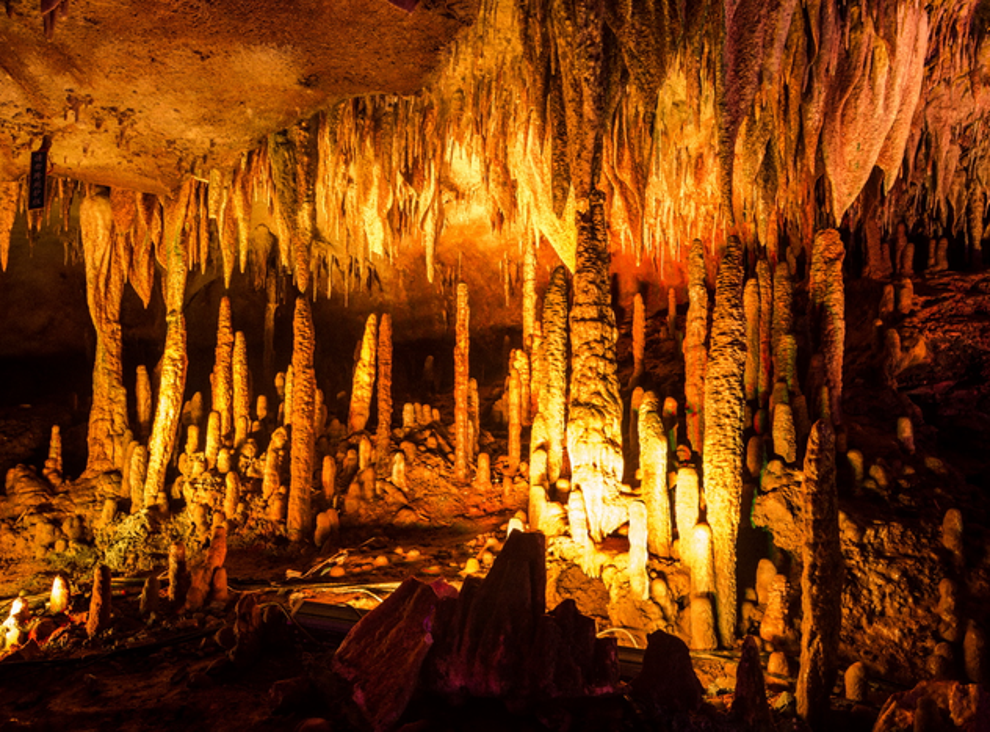
“Massive flooding” triggered by sudden intense monsoon rains led to the collapse of the Liangzhu and other stone age Chinese cultures along the Yangtze river delta around 4,300 years ago, a new study has suggested. The Liangzhu exploration site, about 160km southwest of Shanghai, was home to an advanced ancient city with an elaborate water management system, and the oldest known use of large hydraulic engineering structures in China, the researchers, including those from the Chinese Academy of Sciences, said.
Previous archaeological studies have shown that this walled city had a system of navigable canals, dams, and water reservoirs, which made it possible to cultivate large agricultural areas throughout the year.