
When the coal-fired power plant just outside the tiny town of Nucla, Colorado, closed in 2019, it had the makings of a disaster.
The plant, which opened in 1959, shut down three years ahead of schedule when it ran out of coal, leaving the town shocked and facing the loss of its largest employer. The facility provided nearly half the tax revenue to the region, said Deana Sheriff, executive director of the West End Economic Development Corp, which serves Nucla and the surrounding area between Telluride and Grand Junction in western Colorado.
Left without vital funding for its fire department and school district, the town was terrified about its future.
But despite the early plant closure, and an unemployment rate that more than doubled overnight, Nucla had done enough to prepare. The town has leaned on tourism, driven by outdoor activities, and the recent opening of dozens of small businesses to survive.
“Initially we saw a lot of frustration and concern, mostly about selling homes and folks moving away,” Sheriff said. But the town has adapted fairly well, she said: “We’ve diversified our economy enough that we’re not going to die because one industry went away.”
Increasingly outpaced by cheaper alternatives, including renewables, and under pressure from climate concerns, at least two dozen US coal power plants – many of them in small, rural communities – are expected to close or downsize in the next 10 years, as are most of the coalmines that supply them, according to the Environmental Protection Agency and experts. Most coal communities face the same challenges as Nucla: how to replace the jobs and tax dollars that have kept these towns afloat for decades?
In some cases, such as in Nucla, local officials started planning early. In others, the closures appear to have taken leaders by surprise.
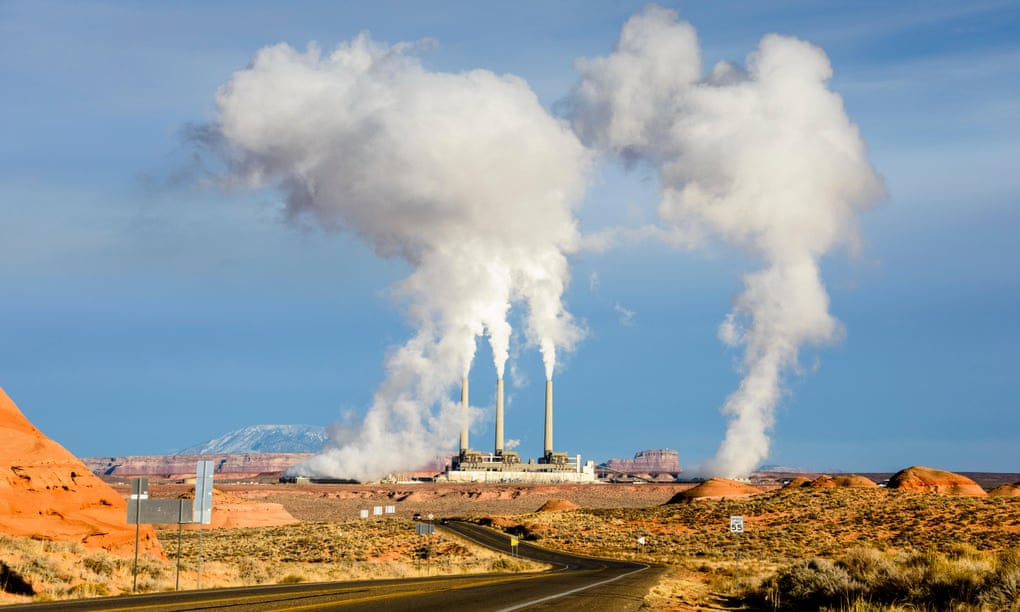
The huge Navajo Generating Station in northern Arizona, within the Navajo Nation, also shut down in 2019. Local leaders complained that plant operators closed the facility decades ahead of schedule, although the region did have two years to prepare after the announcement. Little planning appears to have preceded the closure.
“What does ‘prepare’ mean?” said the Coconino county supervisor Lena Fowler. Regional leaders didn’t see many options for replacing the money and jobs as the closure loomed, she said.
The lack of preparation in Arizona – compounded by the subsequent pandemic that shut down tourism in the picturesque region near the Grand Canyon and a drought that has devastated the popular boating destination Lake Powell – has had dire consequences. Coconino county has lost $40m a year in property taxes since the plant, just outside the town of Page, closed, Fowler said. Families have been separated as one parent left for a job at another power plant, and there are concerns the Navajo Nation could cut essential services because of the tax losses.